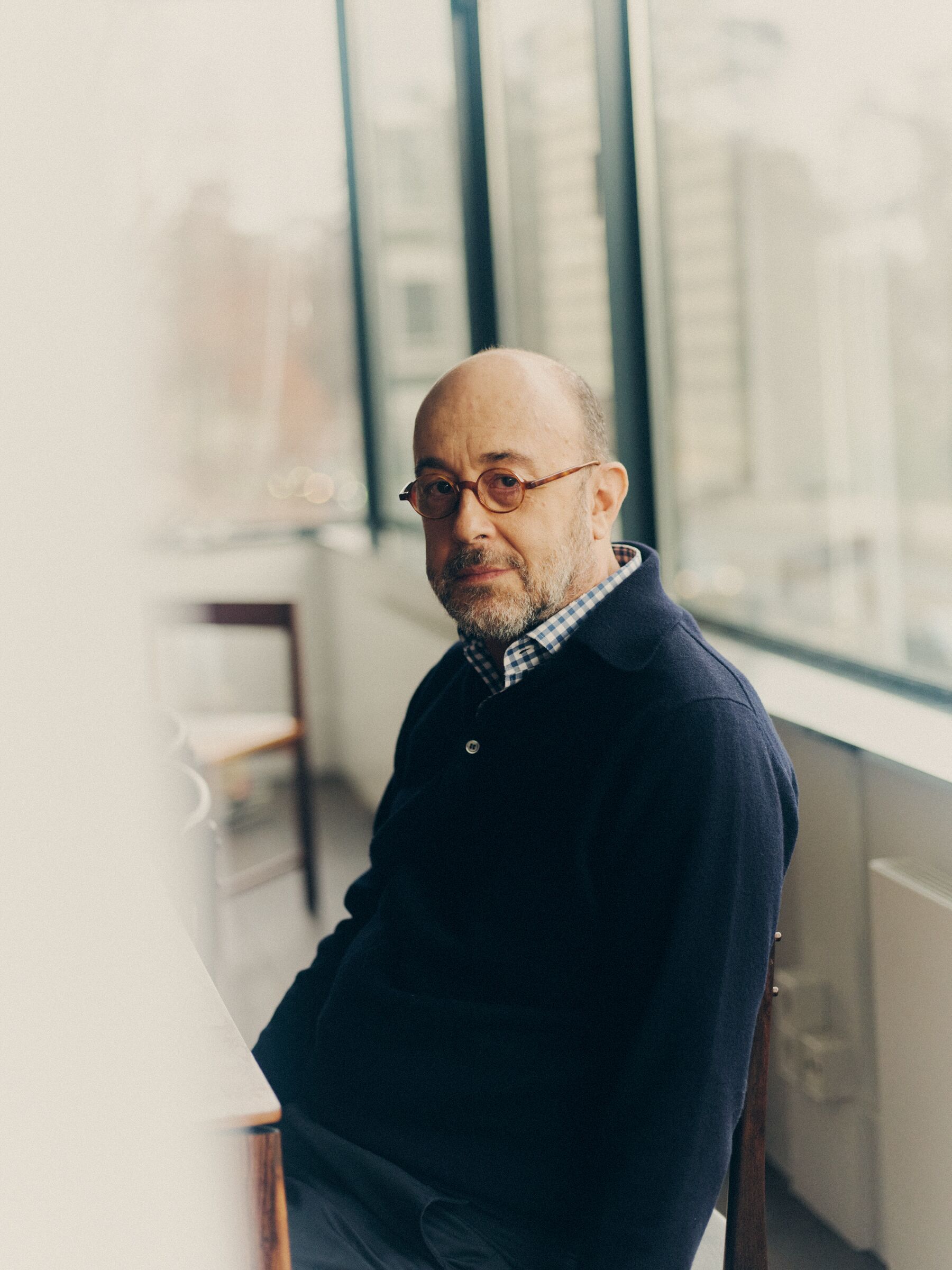

外交官は固定観念を肯定も否定もすべきではないが、自国を体現することは求められている。その点において、アレクサンドル・ヴィダル・ポルト氏はブラジルにとってふさわしい使節である。アムステルダム駐在のブラジル総領事は、キャリア外交官であると同時に、高く評価されている小説家でもある――パスポートの更新手続きを任せるのに詩人を派遣するなんて、さすがブラジルだ。また、彼は海外在住の同胞のために献身的に尽くしている。「自国民の人生に何か変化をもたらせているかもしれないと思うと、とても嬉しい」と、彼はアムステルダムの自宅アパートで『モノクル』誌に語った。
The Brazilian consulate, 10 minutes’ walk from Vidal Porto’s home, is not a chandeliered space. In the World Trade Center in Amsterdam-Zuid, away from the city’s canals and 17th-century townhouses, it is a place for the Dutch capital’s burgeoning Brazilian population to solve their bureaucratic problems. The Brazilian diaspora has grown rapidly here in recent years, fuelled in part by post-Brexit displacement from the UK. An estimated 80,000 now live in the Netherlands, with a significant proportion of them thought to be working in informal employment, such as domestic or sex work. Beyond the stamps and forms necessary for expatriate life, the consul-general understands that diplomacy is a human endeavour. “I want the dignity of my fellow nationals to remain intact,” he says. In the corner of the consulate’s reception is a children’s play area that was added to the space by Vidal Porto.
Alexandre Vidal Porto: Brazil’s consul-general in Amsterdam championing dignity for the diaspora
Consul-general is an interesting diplomatic role – its holder has less of a profile than an ambassador, but they are also freed from the ceremonial decorum required of a head of mission. This means they can push harder to get things done. Before arriving in the Netherlands, Vidal Porto served as consul-general in Frankfurt, where he helped secure the release of two Brazilian women wrongly imprisoned on drug charges. When President Lula returned to power in 2023, Vidal Porto was dispatched to Amsterdam. The practical reason for the posting was unglamorous: it meant that Vidal Porto’s dog could travel between missions by car. But the motivation ran deep.
Many Brazilians in Amsterdam live in precarious conditions, and it is these people whom Vidal Porto is most keen to help. Everyone who walks through the consulate doors is met with patience. “Diplomacy should move towards the human,” the consul explains. He spends his days assisting those in domestic-violence cases, custody disputes and wrongful arrests, speaking with Dutch authorities about, for example, the difference between Portuguese and Brazilian Portuguese. Literature and diplomacy, for him, share the same impulse – both focus on the individual. “These are my people,” he says. “They didn’t find space to fully bloom where they were born but they will now.”
This article is from Monocle’s March issue, The Monocle 100, which features our editors’ favourite 100 figures, destinations, objects and ideas.
Read the rest of the issue here.


