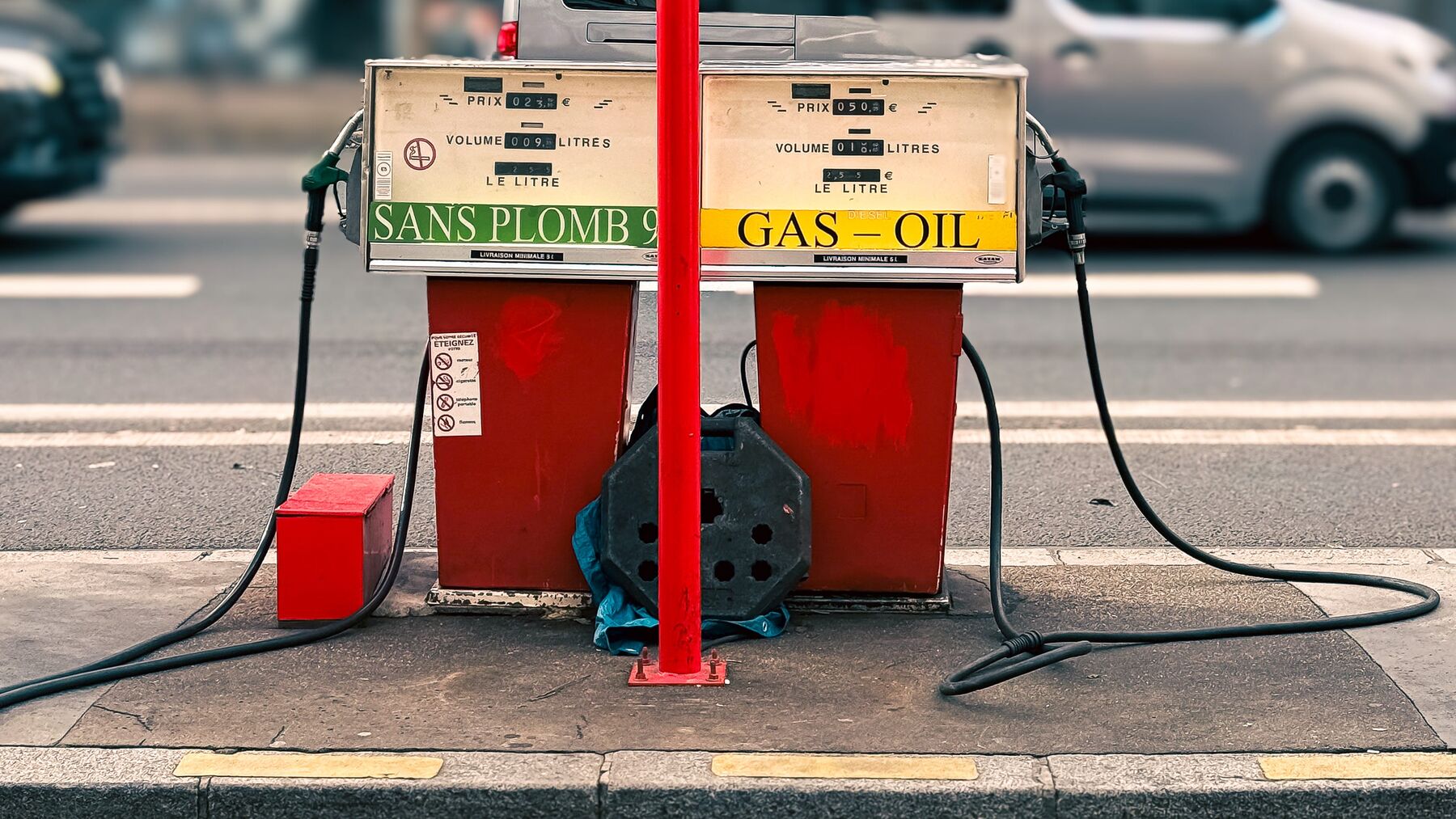
Pumps under pressure
The war that Trump and Netanyahu started has immediate consequences for European fuel prices. A coordinated European response is nowhere in sight. Instead: a patchwork of national fixes. Spain went furthest, pushing through a €5 billion package that cuts energy VAT from 21% to 10% and caps butane prices. Italy is recycling extra VAT revenue back to consumers and threatening sanctions on profiteers. In Croatia and Slovenia, actual shortages have triggered queues and political recriminations. The Eurogroup called for measures that are temporary, targeted and tailored, but a common European framework has yet to materialise.
MY VIEW: Every time oil and gas prices spike, Europe goes into crisis mode — and every time, the response is a patchwork of short-term subsidies and tax cuts. The deeper issue is one that rarely makes the emergency agenda: the World’s fossil fuel consumption continues to grow, and the green transition keeps being pushed to the back of the queue the moment it becomes inconvenient. Add to that the structural unpredictability of a Trump administration willing to reshape global trade and military commitments on a whim, and Europe is managing symptoms, not causes.
19th hole becomes an abyss
The European Parliament voted 417–154 on 26 March to endorse the ‘Turnberry agreement’, negotiated last August on the 19th hole of Trump's Scottish golf resort, in an atmosphere that now feels very distant. Even those most critical of Trump swallowed the deal at the time, reasoning that the alternative, i.a., a full-blown tariff war, would be worse. That calculation has not aged well.
Under the terms, the EU would eliminate most tariffs on US industrial goods, but only once Washington has demonstrably fulfilled its own commitments, including capping tariffs on EU goods at 15% (the sunrise clause). MEPs also inserted a sunset clause expiring the regime on 31 March 2028, a suspension clause triggered by any fresh US tariffs, and a safeguard if EU industry is seriously harmed. These are sensible hedges. They are also an admission that Brussels does not fully trust Washington to stick to the terms.
MY VIEW: This deal is the fruit of blackmail, and Parliament’s decision to proceed with it is frankly absurd. Since August, the relationship with the USA has grown considerably worse. The man who threatened to seize Greenland, who started a war in Iran that is already damaging Europe’s economy, who treats NATO allies as adversaries and wields tariffs as weapons of political coercion, is not a trading partner. Donald Trump is a threat to European sovereignty. If even the staunchest Atlanticists in Europe have now concluded as much, this agreement should not be refined and trilogue'd. It should be shelved…
Looking ahead…
Mon-Wed 30.03-01.04 European Democracy Shield delegation — MEPs travel to Poland and Lithuania to assess hybrid threat responses, border instrumentalisation, disinformation, and cybersecurity capabilities.
Tue–Wed 31.03-02.04 EU Foreign Affairs Committee to Seoul & Tokyo — Committee chair David McAllister leads a delegation to South Korea and Japan, visiting two allies watching the Middle East energy crisis most closely, given their near-total dependence on Gulf oil imports.
Tue–Wed 31.03-01.04 INTA delegation to Bern — Four trade MEPs visit Switzerland to discuss the newly concluded EU–Switzerland agreements, deepening the bilateral relationship at a moment when trade predictability is at a premium across the continent.
All week, Energy markets under continued watch — With Brent still elevated and European gas storage under pressure, every development at the Strait of Hormuz will move markets. The Eurogroup has signalled readiness to reconvene at short notice if conditions deteriorate.
⭐️ European Dispatches is published every Monday at noon (CET). From Amsterdam: 🐣 Happy Easter! · Chag Pesach Sameach! 🕍