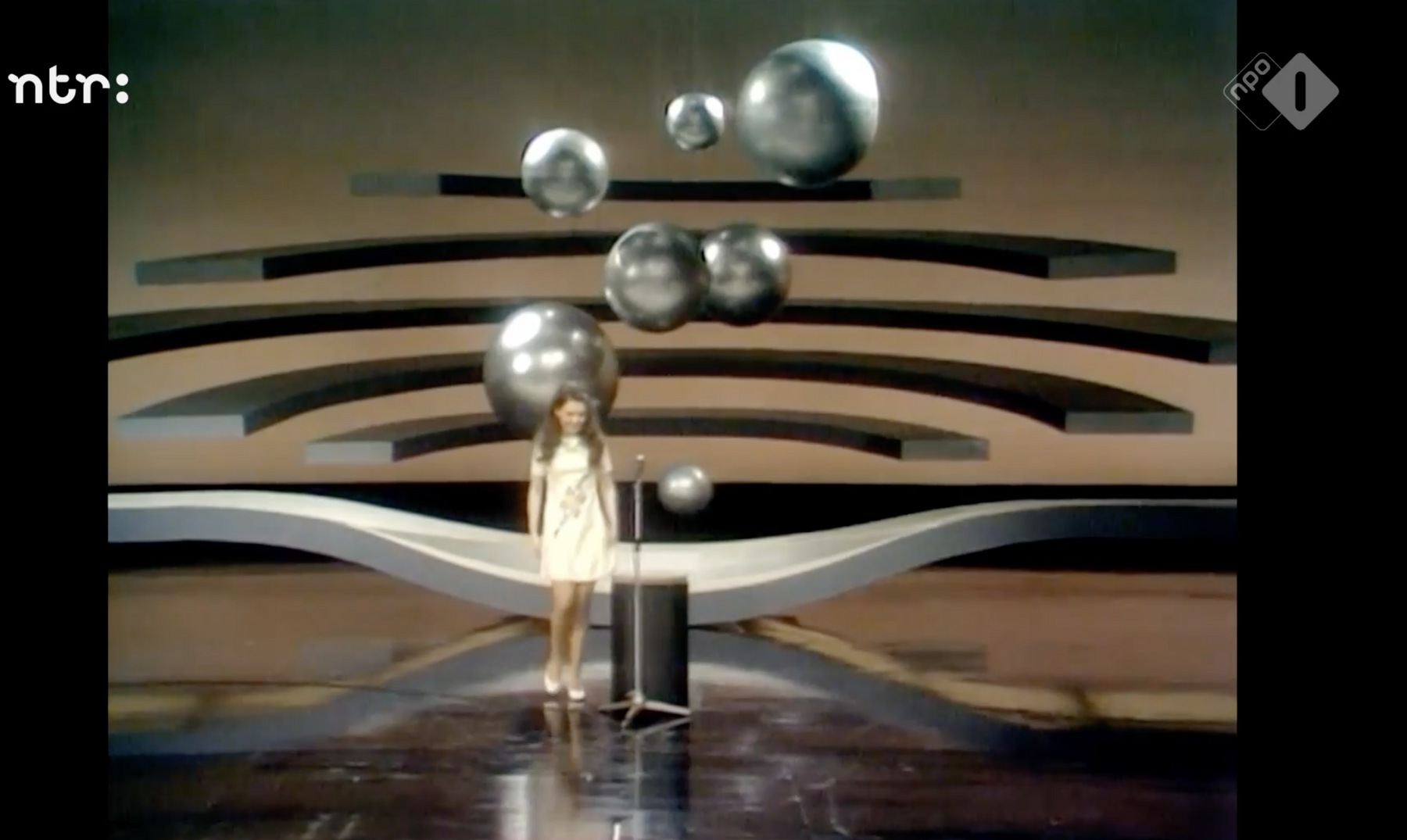
In post-war Western Europe, as countries focused on rebuilding, seven public broadcasters joined forces in the 1950s to create a new television network: the European Broadcasting Union, or EBU. The new network brought Europe together around shared news events. It also gave birth to something rather unexpected: an international song contest.
The Eurovision Song Contest was conceived as a cheerful experiment with a serious purpose: to bring European countries closer together and, for a while at least, keep politics off the stage. Yet once national flags appeared on the scoreboard and the event attracted a global audience of hundreds of millions, the contest itself became an increasingly tempting platform for political messages.