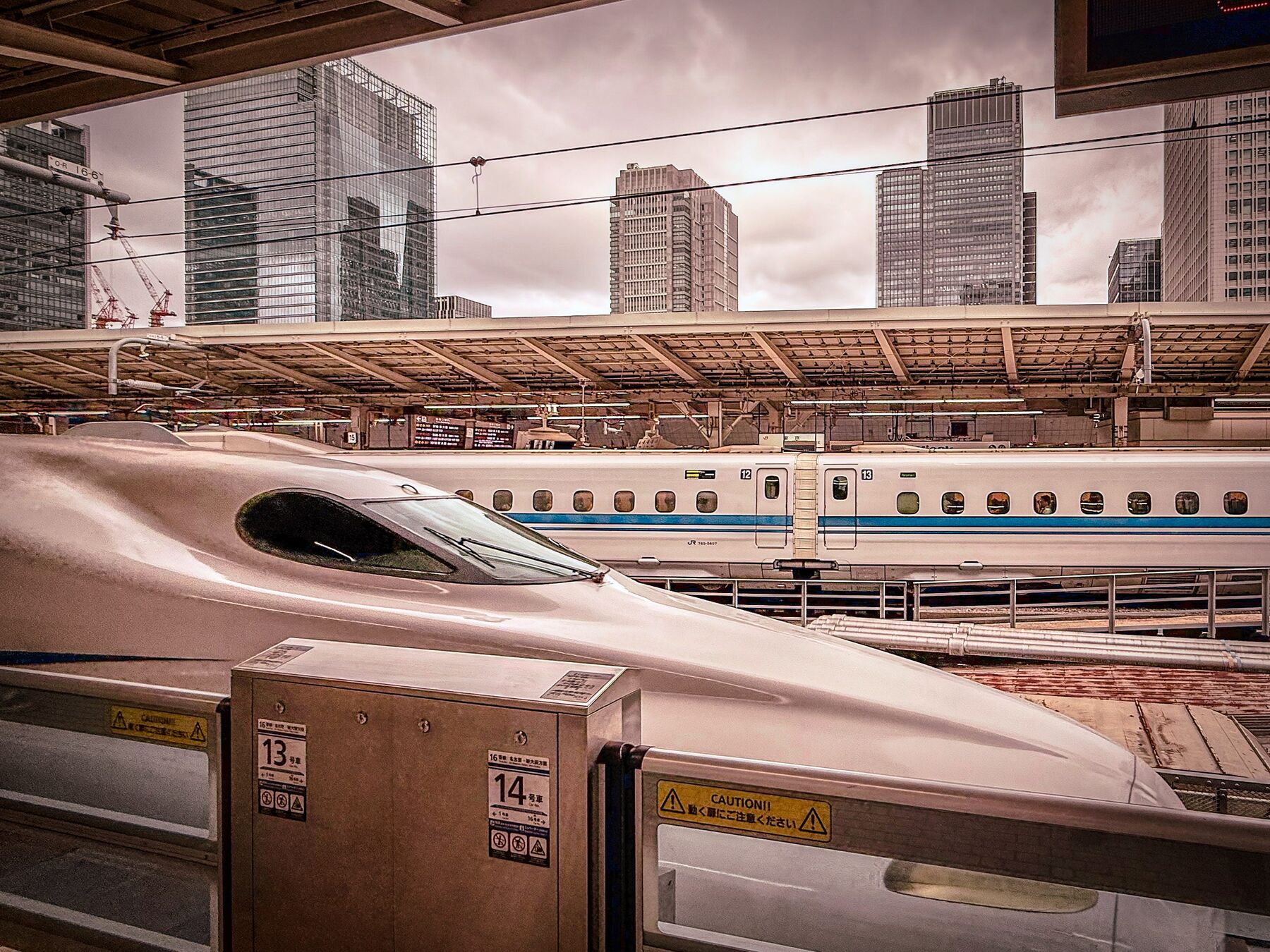
Japan: Europe’s distant mirror
🇯🇵 🤝 New friends in uncertain times
The geopolitical signal is plain enough. In late March, five Dutch F-35s arrived at Misawa Air Base in northern Japan for the exercise Kazaguruma Guardian, the first such deployment by the Royal Netherlands Air Force to the Indo-Pacific. The name means “Windmill Protector”. Its three blades stand for Japan, the Netherlands and the United States.
These symbols matter. In November 2024, the EU and Japan signed a Security and Defence Partnership, the first of its kind between Brussels and any country in the Indo-Pacific. Japan’s military language has shifted accordingly: Euro-Atlantic and Indo-Pacific security are now described as inseparable. Ten years ago, that sentence would have sounded theatrical. Today, it sounds like doctrine.
And then there’s the question of hardware. Last week, the cabinet of Prime Minister Takaichi approved new guidelines scrapping Japan’s decades-old ban on lethal weapons exports, clearing the way for sales of fighter jets, missiles and destroyers, equipment that, until now, simply couldn’t leave the country. For the time being, exports are limited to 17 countries that have signed defence equipment and technology transfer agreements with Japan. Europe is watching closely. US allies across Europe and Asia are actively looking to diversify their supply chains as Washington’s security commitments look less certain under Trump. Japan, newly open for business, is suddenly a very interesting partner.
Japan is learning what Europe has slowly been forced to accept. The United States is still powerful, yes — but its reliability has become conditional. Its attention wanders. Its commitments shift with whoever occupies the White House. And so democracies are doing something quietly remarkable: they’re learning to find each other.
🎎 A country slowly evaporating
Japan’s second lesson is demographic. In 2025, births fell for the tenth year in a row, to 705,809. That is the lowest figure since records began in 1899. The country is already losing roughly 900,000 Japanese nationals a year. Its population is projected to fall from around 120 million today to about 87 million by 2070.
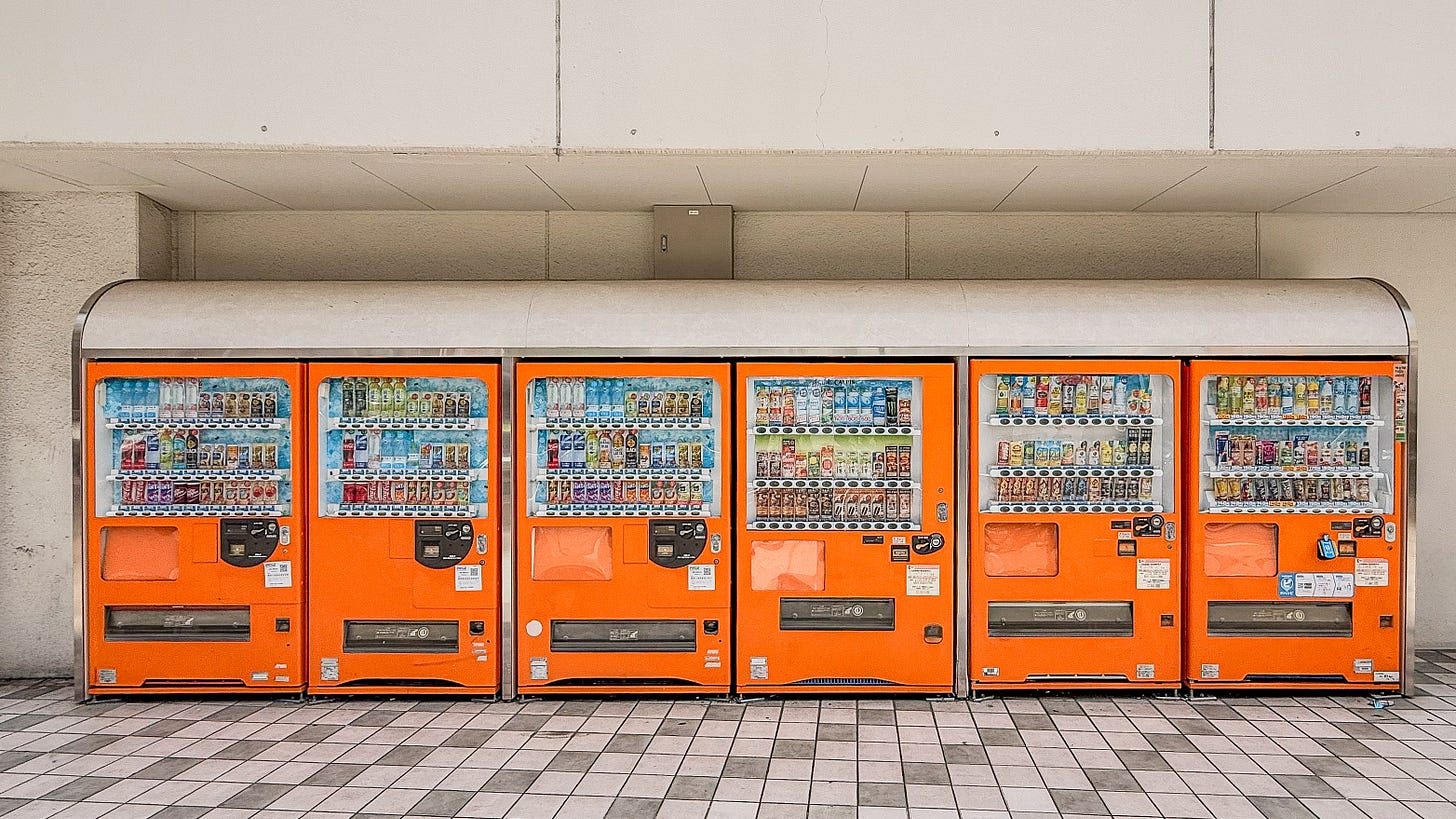
You feel it everywhere: restaurants with shorter opening hours, convenience stores struggling to staff night shifts, and family shops with no successor. In March, Japan’s Ministry of Economy, Trade and Industry set a target to capture 30 per cent of the global physical AI and robotics market by 2040. Here, robots are less a fantasy of displacement than an answer to absence. They are filling jobs for which there are no longer enough people.
MY VIEW: Europe should pay attention. Eurostat now expects the EU population to peak in 2029 at 453,3 million and then begin its own slow decline. Japan has had a 15-year preview of what that means in daily life.
Europe still has one advantage Japan has barely used: immigration. Across the continent, the subject has become politically poisonous. The backlash is real. Yet the other path is already visible in Japan: demographic shrinkage managed by robots, later retirement, strained pensions and neighbourhoods that fade one shuttered shop at a time.
Japan is a warning in the shape of a beautiful country.
⭐️ European Dispatch is published every Monday around noon (CET). Any remarks? Send me an email.